Pomodoro Technique for Learning

Pomodoro Technique

This post may contain affiliate links.)

Does time keep you from learning something new?  What about distractions that keep you from learning optimally?  If so, the Pomodoro Technique may be a good solution for you.  Created by Francesco Cirillo in the late 1980, the Pomodoro Technique is a method of time management that enhances learning time – helping you do more with less time.

Cirillo’s method uses a timer to break down work or practice sessions into intervals.  Traditionally, Cirillo determined 25 minute time segments were ideal, but amount of time can be adjusted.  Each interval was separated by short breaks from the work.

A typical hour long Pomodoro type work session would look like this:

  1. Decide what you are going to work on (if you have a learning schedule already established on your calendar, this part is easy) for 25 minutes.
  2. Put away anything that could distract you (smartphone, email, etc…turn it all OFF).
  3. Set your timer for 25 minutes.
  4. Start your timer and get to work. Do nothing else for those 25 minutes.
  5. When the timer goes off, take a break. Really, do it, even if you are on a roll.
  6. Set the timer for 25 minutes and repeat.

You will be amazed at how your productivity increases.

This technique works for multiple reasons.

  • It keeps you on track.
  • It keeps you motivated because it is easier to convince yourself to do something for 25 minutes, even if you don’t want to do it.
  • It keeps you engaged because even when you are on a roll, when your timer makes you stop, you are excited to get started again.
  • It helps you work on your time management, realizing how long things really take you, which helps you plan your calendar.

This technique works for anything you are learning, but also works on tasks like cleaning the house, exercising, organizing, etc.  You can buy a Pomodoro timer, or you can use any timer you have.  I often use the timer on my phone.  There is even a Pomodoro timer app that will help make the process easier.

If you have something you want to learn or a task you have been putting off, try out this technique and let me know how it goes.  We waste so much time when we sit down to work because we often get distracted, this technique greatly reduces the distraction.

Note:  Pomodoro means tomato in Italian.  Francesco Cirillo had a tomato timer when he began this technique, which is why the tomato timers are sold as a Pomodoro tool.


Learning Identity

(This post may contain affiliate links.)

I have been reading a great deal lately on identity development, specifically learner identity.  It appears in content related learning, social development, personal information, cultural understanding, and in my most recent case, stereotype identity in Claude Steele’s Whistling Vivaldi (affiliate link), where he talks about stereotype identity (or stereotype threat as he terms it).

Have you ever thought about your identity?  How would you identify yourself?  The first time I ever was asked that question, I described my identity as an educated Christian woman who was a wife and mother.   I have since learned that while that may be part of my identity, there is much more to me.  What do I stand for?  What do I believe in?  What motivates me?  What holds me back?  There are so many aspects to my identity.

Taking it a step further, have you ever thought about your learning identity?  What type of learner are you?  How do you learn well?  Poorly?  What are you good at?  Not as strong at?  I immediately think about aspects of learning that are difficult for me, areas I struggle with.  The first one that comes to mind is math.  I would say that I am not a strong math student, but that wasn’t always the case.  I LOVED math until 6th grade.  I won’t go into details, but in 6th grade, I decided I wasn’t good at math and I began to identify myself as a weak math student and from that point on I struggled with math.

While I know what changed my mindset (affiliate link), how damaging was that to my identity as a learner?  Do you do the same thing?  Do all learners create negative stereotypes for themselves regarding what they cannot do?  If so, then don’t our students do that as well.

I think about the students I have taught over the years that identified different areas they struggled and developed a fixed mindset regarding that discipline.  I used to think that I could get them to change their mindset if I showed them they could do it.  While this wasn’t completely incorrect, maybe I should have focused more on helping them understand the identity they had created for themselves and help them work to look at their “weak” identity differently.

The Perot Museum of Nature and Science

(This post may contain affiliate links.)

If you are ever in the downtown Dallas area, I HIGHLY recommend visiting The Perot Museum of Nature and Science.  It is the best interactive museum I have ever visited.

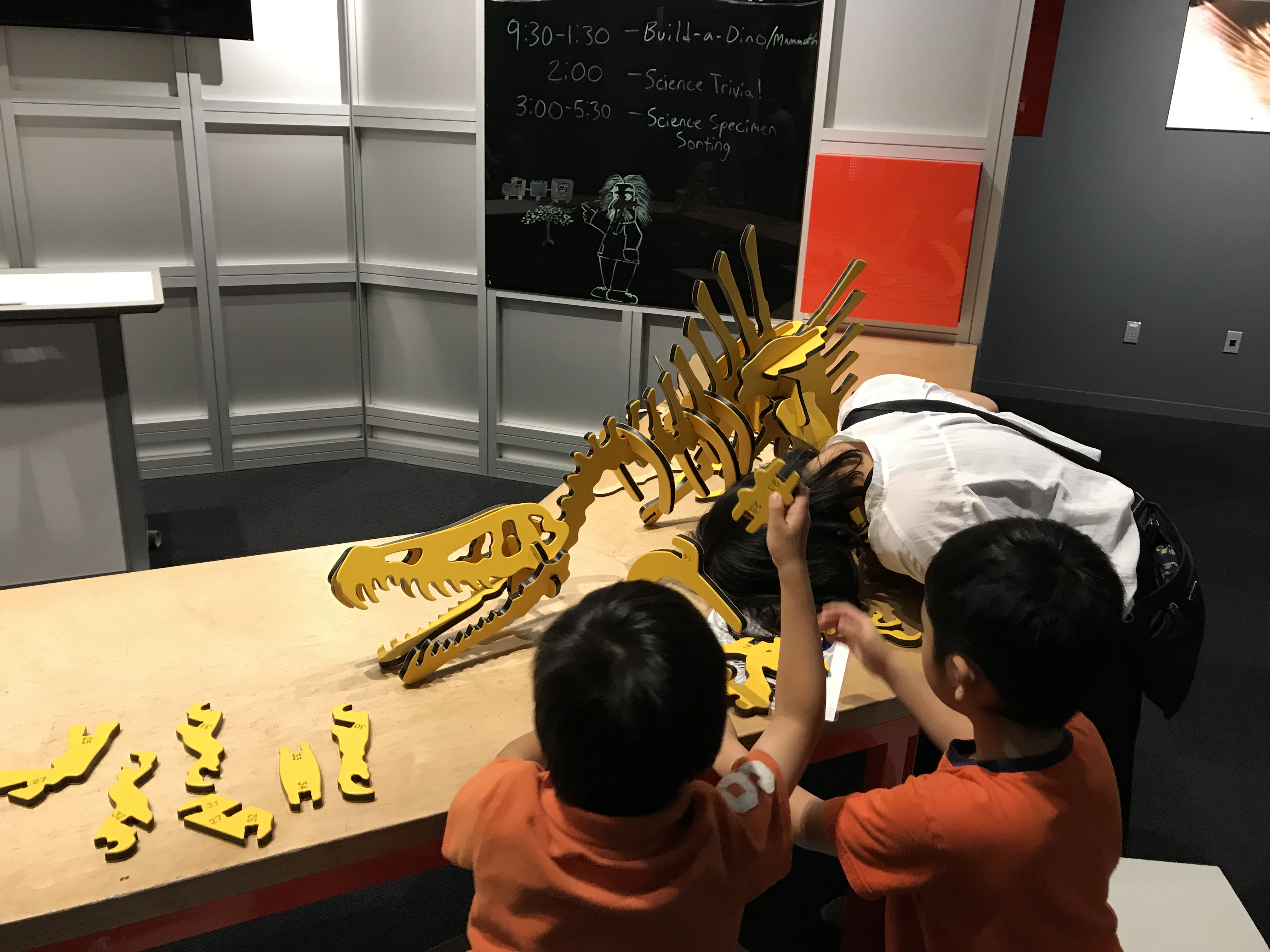
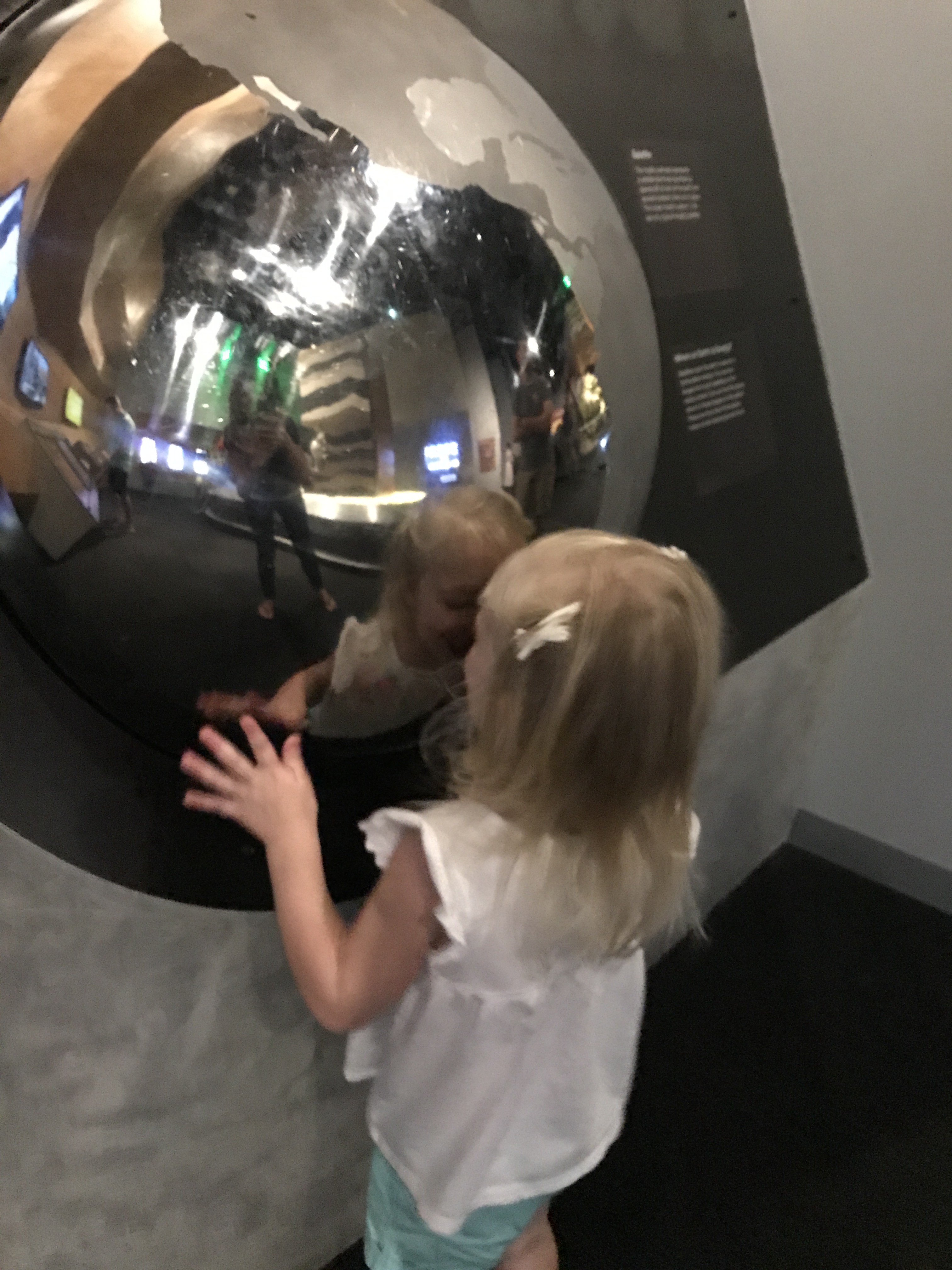
The museum was perfect for my 2.5 year old, but amazing for all of the adults as well.  There are dinosaur exhibits

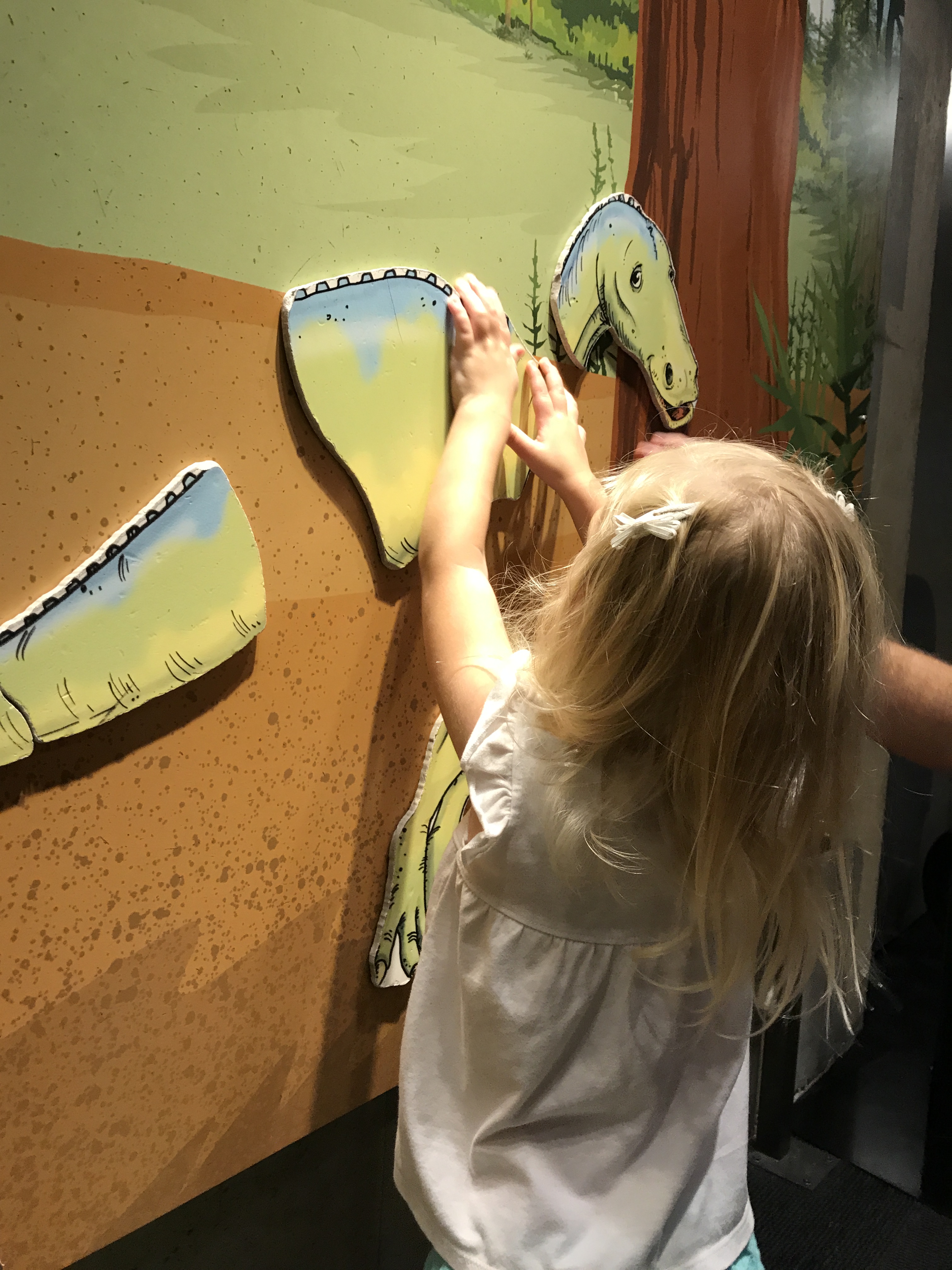
Many interactive elements


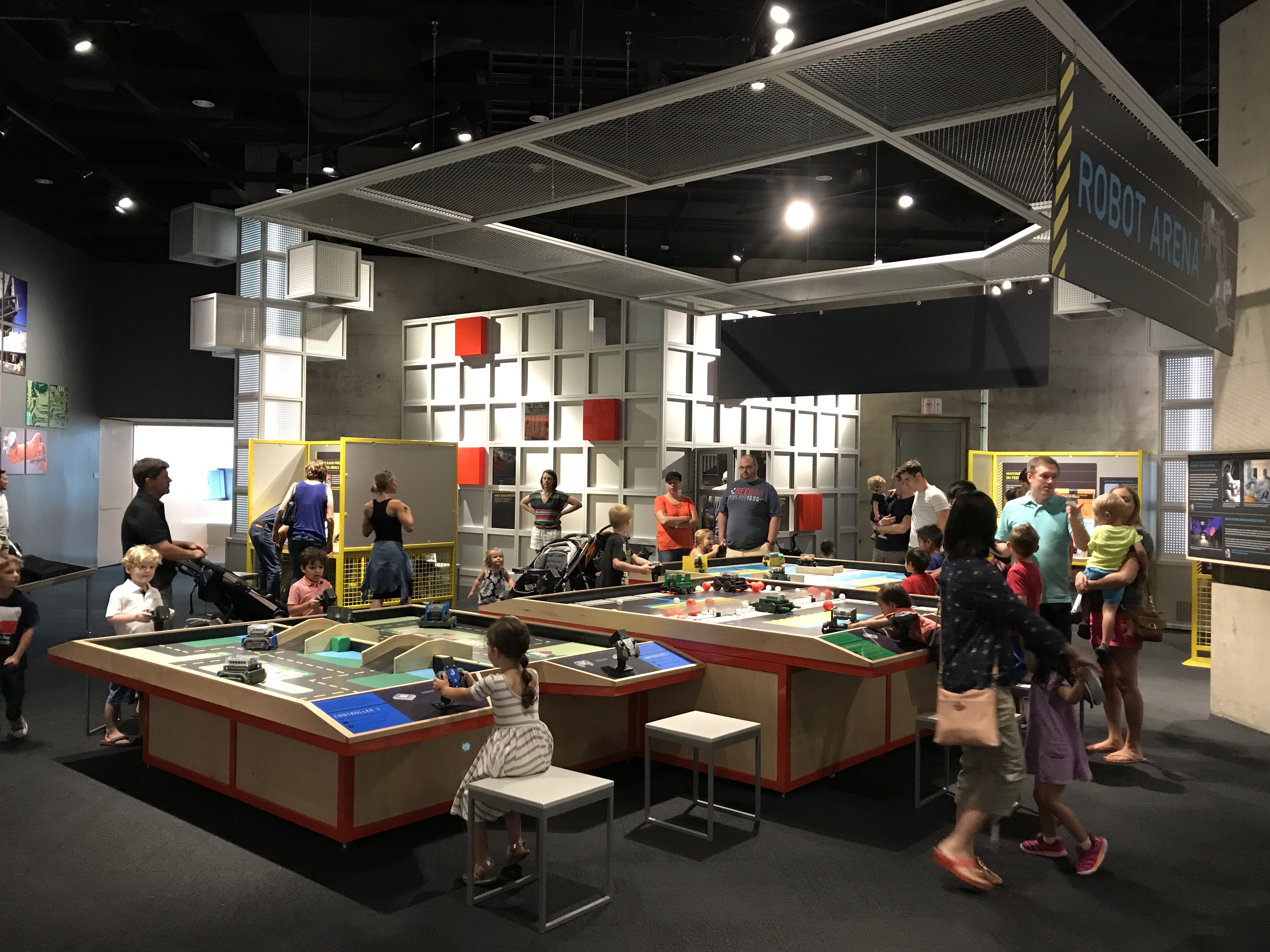
An entire section dedicated to STEM (Science, Technology, Engineering, and Mathematics)…

A sports section (sorry no pictures of this)…

And many other elements for all ages.


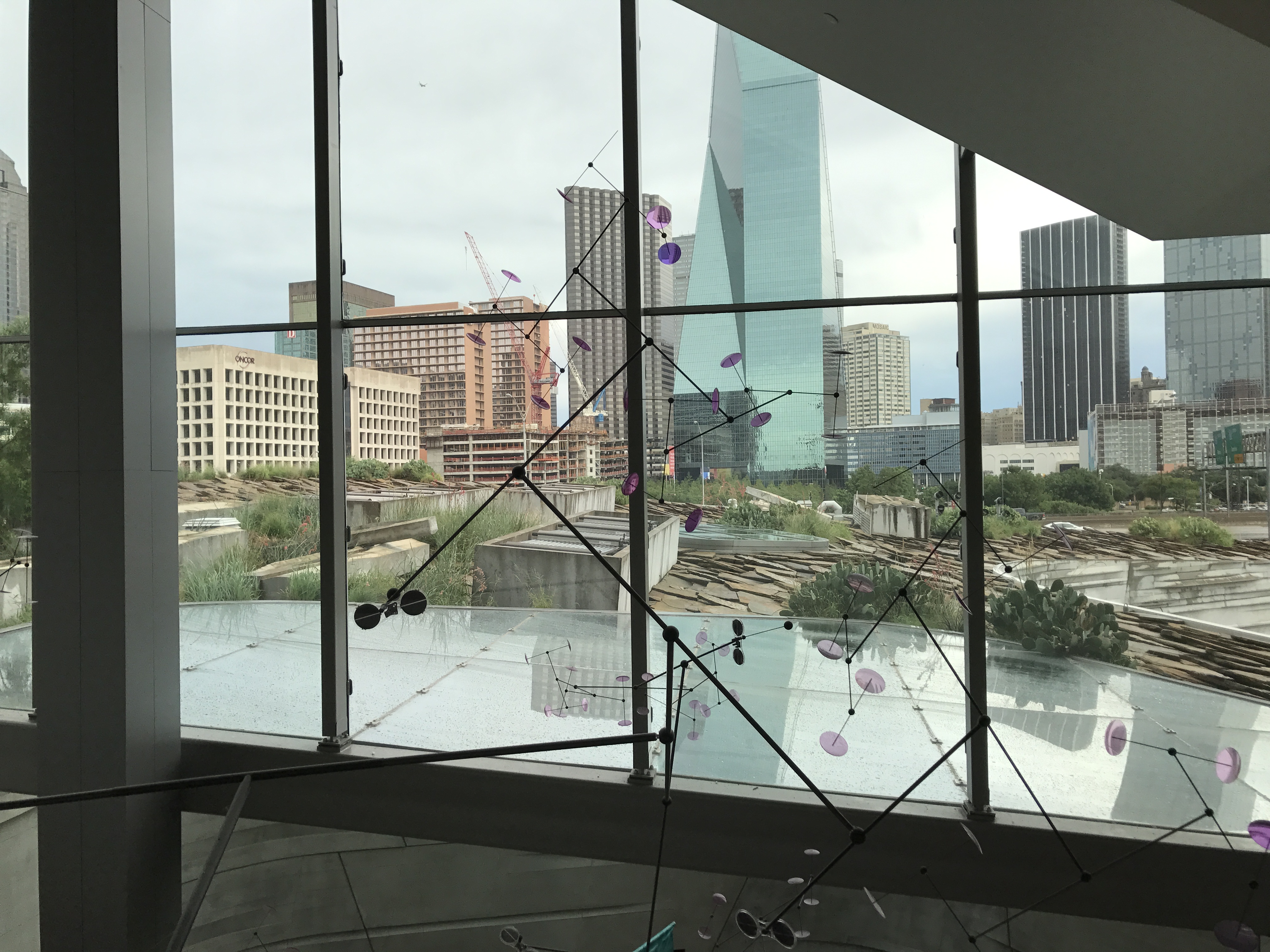
Starting with an escalator ride on the side of the building and ending with water and sound elements as you leave the museum, the atmosphere is rich for learning and engagement.  If you have never been, schedule a vacation soon.  You won’t regret it.  If you have ever been, leave me a comment and let me know what you think.  What was your favorite part of the museum?